Saturday, 13 September 2025

Patton-Style Riding Boots

Step into history with Patton-style riding boots. Discover the legacy of this iconic WWII officer footwear, from General Patton to the fields of Normandy.

Step into History: The Unmistakable Presence of Patton-Style Riding Boots

There are certain sounds, certain sights, that are pure military history. The drone of a Lancaster overhead. The metallic clank of an M1 Garand clip ejecting. And, for me, the crisp, rhythmic sound of hobnails and leather on stone. It’s the unofficial soundtrack of authority, the sound of an officer on the move. And no piece of kit embodies that presence more than a pair of tall, gleaming Patton-Style Riding Boots.

Patton-Style Riding Boots

More Than Just Footwear: A Symbol of Command

Let’s be honest. In the world of historical reenactment, we are all chasing a feeling. We strive to get the details right—the weave of the wool, the exact shade of olive drab, the weight of the steel pot on our heads. But some items transcend mere accuracy. They carry an aura. The officer’s riding boot is one such item. It’s a silhouette of command. Long before World War II, these boots signified a man set apart, a leader, a tradition rooted in the prestige of the cavalry.

When you pull on a pair of these, something changes. I remember the first time I finalized my own officer impression for a Normandy event. I had the tunic, the map case, the sidearm... but it wasn't until I pulled on a proper pair of riding boots that it all clicked. The feeling is hard to describe. You stand taller. Your posture straightens instinctively. You can't slouch in boots like these; they simply won't let you. They are more than leather and thread; they are a statement.

The Patton Mystique: "Old Blood and Guts" and His Polished Leather

You can't talk about these boots without talking about the man who made them legendary: General George S. Patton Jr. He was a larger-than-life figure, a warrior-poet who understood the psychology of warfare better than almost anyone. And his uniform was a weapon in its own right.

A Legacy Forged in the Cavalry

Patton’s military career began in the age of horse and saber. He was a master horseman, an Olympic pentathlete, and the Army’s "Master of the Sword." For a cavalryman, riding boots weren't a fashion choice; they were essential, a second skin protecting the leg from the rigors of the saddle. Even as the cavalry traded their horses for tanks, Patton never abandoned the symbols of his equestrian roots. His gleaming, custom-made riding boots, often polished to a mirror shine, were a direct link to that proud, aggressive cavalry tradition. They told his men—and the enemy—that an old-school, hard-charging fighter was in command.

Beyond Patton: A Staple of the Allied Officer Corps

But the story doesn't end with "Old Blood and Guts." While he was their most famous wearer, high-shafted riding boots were common among both US and British officers throughout WWI and WWII. They were a mark of rank and a powerful status symbol, especially in an era when many officers had to privately purchase parts of their own kit.

From the Trenches of WWI to the Fields of Normandy

The tradition carried through both world wars. In the Great War, British officers in the trenches often wore tall boots for protection against the ubiquitous mud and muck. In the Second World War, from the deserts of North Africa to the hedgerows of Normandy, you would see them on staff officers, armored commanders, and even some senior infantry leaders. They suggested experience and a connection to the established military hierarchy. For units that traced their lineage back to the cavalry, like many armored divisions, wearing the WWII officer boots was a way of honoring their heritage.

Crafting Authenticity: What to Look for in a Reproduction

For a reenactor, capturing this look means finding a boot that gets the details right. It’s not just about height. It's about the shape, the construction, and the material. A good pair of reproduction Patton-Style Riding Boots needs to be sturdy. You’re not just standing around on a parade ground; you’re marching through wet fields, climbing in and out of vehicles, and putting them through serious punishment.

You need a solid leather construction that can hold a brilliant shine. That polish isn't just for show—it was a crucial part of the disciplined image an officer was expected to project. The boot should offer support without being restrictive, a difficult balance to strike. That satisfying *thump* as you pull them on, the faint, rich smell of real leather... these are the details that transport you back in time.

From the Parade Ground to the Battlefield: A Reenactor's Perspective

I’ve seen too many fellow reenactors compromise on footwear, and it’s always the first thing that breaks the illusion. An otherwise perfect impression can be ruined by a cheap, flimsy pair of boots. A good pair of US officer riding boots, on the other hand, elevates the entire kit. It’s the capstone of an officer’s impression.

They are surprisingly practical, too. At a rainy tactical event in the Ardennes forest last year—or a reenactment of it, anyway—the ground was a sea of mud. While others were struggling with soaked low-quarter boots and leggings, my tall riding boots kept my lower legs dry and protected. It's a small thing, but it's these moments of historical resonance that make reenacting so rewarding. You suddenly understand *why* they wore them.

Stepping into Your Own Legacy

Ultimately, the Patton-Style Riding Boot is more than just an item on a packing list. It is a piece of living history. It represents the transition from the old world of the horse soldier to the new world of mechanized warfare. It speaks of the discipline, pride, and unwavering presence of the men who led soldiers through the most consequential conflicts in human history. To wear them is to, in a small way, connect with that spirit.

They don’t just complete the uniform; they anchor it in history. And for those of us dedicated to keeping that history alive, there’s nothing more important.

Experience a piece of history for yourself! Check out our authentic reproduction of Patton-Style Riding Boots here: Get Your Patton-Style Riding Boots

US A-8B Oxygen Mask

Discover the history of the US A-8B Oxygen Mask. Learn about this vital piece of WWII pilot gear and its importance for bomber crews in the skies over Europe.

There are some pieces of gear that just scream history. They have a weight, a presence that goes beyond their materials. You hold one in your hand, and you can almost hear the drone of four Wright Cyclone engines and feel the biting, high-altitude cold. The US A-8B Oxygen Mask is one of those pieces.

US A-8B Oxygen Mask

Breathing at 25,000 Feet: The Story of the US A-8B Oxygen Mask

More Than Just a Mask: A Lifeline in the Blue

Picture it. You're crammed into the fuselage of a B-17 Flying Fortress, hours into a mission over enemy territory. The temperature outside is a staggering -40 degrees, and the air is so thin it's practically a vacuum. Every breath is a conscious effort. In this hostile world, your best friend isn't the man next to you or the .50 cal in your hands. It's the simple rubber and leather contraption strapped to your face. It's your A-8B.

This wasn't just equipment; it was a fragile bubble of life in the stratosphere. Without the steady flow of oxygen from this mask, the chilling whisper of anoxia—oxygen starvation—would set in within minutes. First confusion, then euphoria, then unconsciousness, and finally, death. The US A-8B Oxygen Mask was the unsung hero strapped to a hero's face.

The Devil in the Details: What Made the A-8B Special?

I’ve handled my share of originals, and let me tell you, finding one in decent shape is a minor miracle. The rubber gets brittle, the leather cracks. That's why a top-tier reproduction is so critical for collectors and serious reenactors. It's all about the details.

The Heart of the System

The A-8B was a "constant flow" mask. It wasn't fancy. It didn't have the complex demand regulators of later models. It simply fed a continuous stream of oxygen into the soft rubber rebreather bag and cup, which the wearer would inhale along with ambient air. It was simple, rugged, and reliable—exactly what you needed when everything was on the line. The design, with its distinctive molded rubber facepiece and protruding oxygen tube, became an icon of the USAAF airman.

Those Early Leather Straps

Now, here’s something for the real connoisseurs. Early models of the A-8B featured a harness made from handsome, supple leather. Later in the war, to conserve materials, these were often replaced with canvas or webbing straps. This reproduction nails that early-war detail. There's just something about the feel and smell of those leather straps. It connects you to those first crews who went "upstairs" over Europe, a tangible link to the pioneers of high-altitude strategic bombing. Getting a reproduction with these rare early leather straps is a major win for authenticity.

Life and Death Above the Reich

I remember an old-timer, a waist gunner, telling me how the mask felt more like a part of his own face than his flight helmet after an eight-hour mission. He said he could still taste the rubber years later. It was a constant companion, a source of both life and misery.

Ice was the great enemy. A crewman’s warm, moist breath could freeze inside the mask, clogging the valves and cutting off the precious flow of oxygen. Pre-flight checks were meticulous. You learned to live with the claustrophobic pressure on your face, the way it muffled your voice over the intercom, and the constant, dry taste of bottled O2. From the pilots guiding a P-51 Mustang on an escort mission to the ball turret gunner curled up in his deadly sphere, the A-8B was a universal element of survival in the 8th Air Force.

From History to Your Hands: The Reenactor's Edge

For those of us dedicated to keeping this history alive, authenticity is everything. You can't just throw on a leather jacket and call yourself a bomber crewman. It's about the complete impression, right down to the gear that kept them alive. A high-quality, functional piece like this A-8B Oxygen Mask reproduction is the difference between a costume and a tribute.

When you put it on, you understand the restricted field of vision. You feel the specific way the straps pull against your flight helmet. Because this one can function like an original, it completes the experience. It’s more than a museum piece; it’s a time machine. It’s a tool for telling a story, for honoring the men who wore them when it wasn't a hobby, but a matter of life and death.

An Icon of the Air War

The US A-8B Oxygen Mask is more than just a collectible. It is a symbol of a generation's technological ingenuity and incredible bravery. It represents the harsh reality of the air war and the immense challenges faced by every man who flew into the thin, cold air to do his duty. It's a piece of history you can hold, feel, and understand on a visceral level. And that, my friends, is something truly special.

Experience a piece of history for yourself! Check out our authentic reproduction of US A-8B Oxygen Mask here: Get Your US A-8B Oxygen Mask

Friday, 12 September 2025

US WWII Rubber Overshoes (Reproduction) | US Customers Only

Discover the history of the US WWII Rubber Overshoes. Learn why this unsung hero of GI gear was crucial in battles like the Bulge and for reenactors today.

More Than Just Gear: The Unsung Story of the US WWII Rubber Overshoes

Let's talk about the gear that truly matters. We all love the iconic stuff—the M1 Garand, the classic steel pot helmet, the rugged field jacket. They’re the symbols of the American GI. But I want you to close your eyes for a second. Imagine you’re in a foxhole somewhere in the Hürtgen Forest, late 1944. It’s been raining for three days straight. The ground isn’t ground anymore; it’s a cold, greedy mud that sucks at your boots with every move. A biting wind cuts through your wool uniform, and the one thing you can’t escape is the feeling of dampness, a deep, seeping cold starting in your toes and working its way into your very soul. In that moment, what piece of gear would you trade your K-rations for? It’s not a rifle. It’s a dry pair of socks and something—anything—to keep the wet out. That, my friends, is where our story begins. We're talking about the silent, unglamorous guardians of the infantryman's feet: the US WWII Rubber Overshoes (Reproduction).

US WWII Rubber Overshoes (Reproduction) | US Customers Only

From the Factory to the Front Line: The "Economy Pattern" Explained

The overshoes we're looking at here aren't just any old piece of rubber. They represent a specific moment in the war effort, the 1942-44 "economy pattern." And that name tells a story all its own.

Why "Economy"? The Realities of Wartime Production

Early in the war, the US military had all-rubber arctic overshoes. They were great, but they had one massive problem. After Pearl Harbor, Japan swiftly conquered vast swaths of Southeast Asia, cutting off America’s primary source of natural rubber. Suddenly, rubber was a strategic material as critical as steel or oil. Every scrap had to be conserved for tires, life rafts, and a thousand other essential items. The military needed a solution, and fast. The answer was this ingenious design: a clever combination of a rubber sole and lower portion, vulcanized to a treated canvas upper. It saved a huge amount of rubber per pair while still providing the waterproofing where it was needed most. They weren't as robust as the all-rubber models, no, but they could be produced in the millions and they did the job. This wasn't a corner-cutting measure; it was a victory of wartime innovation.

Design and Functionality: Keeping the GI's Feet Dry

The design was simple and effective. Five metal clasps ran up the front, allowing a soldier to secure them tightly over his standard service boots. The canvas was water-repellent, and the rubber bottom provided a completely waterproof barrier against the mud, snow, and freezing puddles of the European theater. They were designed to be worn over the boots, so you have to order them a size larger than your shoe size—a crucial detail both then and now for us reenactors. It seems like such a simple concept, but it was a small mountain of rubber and canvas standing against an ocean of misery.

A Soldier's Worst Enemy: Mud, Cold, and Trench Foot

You can’t talk about these overshoes without talking about the boogeyman of the ETO winter: trench foot. This wasn't just a minor discomfort. It was a debilitating condition caused by prolonged exposure to cold, damp, and unsanitary conditions. It could lead to nerve damage, blisters, open sores, and even gangrene, requiring amputation. In some units during the Battle of the Bulge, non-combat casualties from exposure and trench foot outnumbered combat casualties. It was a relentless, silent enemy.

First-Hand Accounts and the Psychological Toll

Veterans’ memoirs are filled with descriptions of the horror of trench foot. The constant dampness, the inability to ever feel truly warm, the fear of taking off a boot to find your foot swollen and discolored. General Patton was famously, almost pathologically, obsessed with his men’s foot care. He knew an army that couldn't walk couldn't fight. He’d lecture officers on the absolute necessity of making sure their men had dry socks and proper footgear. The arrival of a shipment of overshoes to a unit hunkered down in the Ardennes wasn't just a new piece of gear; it was a life-saving, morale-boosting event.

Getting the Impression Right: The Reenactor's Perspective

For those of us who strive to accurately portray the American GI, details like this are everything. You can have a perfect M1 rifle and a museum-quality uniform, but if you’re portraying a rifleman from the 28th Infantry in December 1944 and you're missing the right footgear, the picture is incomplete.

A Personal Tale: The Difference a Dry Pair of Socks Makes

I remember one event a few years back. It was supposed to be a straightforward tactical exercise, but a sudden downpour turned the entire field into a swamp. I mean, pure, unadulterated muck. We were slogging through it for hours. I was wearing my reproduction economy pattern overshoes over my service shoes. By the end of the day, I got back to the tent, took them off, and my boots and socks were bone dry. Some of the newer guys in the unit, who hadn't invested in them yet? They were peeling off soaking wet socks from pale, wrinkled feet, looking utterly miserable. That's when the history lesson hits you on a personal level. You get a tiny, fractional taste of what those men went through, and you gain an immense appreciation for a simple piece of equipment. It’s not just about looking the part; it's about understanding it.

Our Reproduction: A Faithful Link to the Past

This is why having access to a high-quality reproduction of the 1942-44 economy pattern overshoe is so important. It’s a key piece of the mid-to-late war GI puzzle. It tells the story of wartime rationing, of American ingenuity, and of the grim realities faced by the common soldier. It’s a piece that honors their struggle by striving for accuracy.

So next time you're putting together your kit, don't just think about the rifle and the helmet. Think from the ground up. Think about the cold, the mud, and the single most important thing for an infantryman: his feet. These overshoes aren’t just an accessory; they are a tribute to the resilience of the American soldier, a testament to the idea that sometimes, the simplest things make the biggest difference.

Experience a piece of history for yourself! Check out our authentic reproduction of US WWII Rubber Overshoes (Reproduction) | US Customers Only here: Get Your US WWII Rubber Overshoes (Reproduction) | US Customers Only

Thursday, 11 September 2025

US Wrist Compass with Leather Strap (Reproduction)

Discover the history of the US WWII wrist compass. A vital tool for paratroopers and infantry, this military compass reproduction is more than just gear.

More Than Just North: The Unsung Story of the US WWII Wrist Compass

There are some pieces of kit that transcend their function. They become symbols. A soldier's rifle is his partner. His helmet, his shield. But his compass? Well, his compass was a whisper of home in the dark. Before satellites painted the world on a screen, before digital waypoints, there was a simple, profound reliance on a needle drawn inexorably toward magnetic north. It was a lifeline, a silent promise of direction in a world gone mad. And few instruments embodied this promise more faithfully than the standard-issue US Army wrist compass.

A Lifeline on Your Wrist: First Impressions

When you hold one of these reproductions—like this superb US Wrist Compass with Leather Strap—the first thing you notice is its beautiful, rugged simplicity. It’s not a piece of delicate jewelry. It's a tool, built for a singular, life-or-death purpose.

US Wrist Compass with Leather Strap (Reproduction)

The leather strap, stiff at first, smells of oil and hide, promising to soften and conform to your wrist with use, just as it would have for a young GI in the fields of Normandy. The compass itself has a satisfying heft. It’s a compact, no-nonsense piece of engineering. You can almost feel the cold metal against your skin on a damp, pre-dawn morning in the Ardennes, the ghost of a glow emanating from the dial. This wasn't just another piece of gear to be checked off a list; for thousands of soldiers, this tiny, ticking heart of magnetic truth was the only thing standing between them and being utterly, terrifyingly lost.

Forged in Necessity: The Compass in the Chaos of War

Imagine the scene. It’s the early hours of June 6th, 1944. A paratrooper from the 101st Airborne is dangling from his parachute, caught in the branches of a French poplar tree. He's alone, miles from his intended drop zone, surrounded by the enemy. The night is a cacophony of distant gunfire and confusion. After cutting himself free, what’s his first move? He doesn't have a map marked with a friendly "You Are Here" dot. He has his training, his rifle, and the small compass strapped to his wrist. That compass didn't just point north; it pointed toward the rally point, toward his unit, toward hope.

Not Just for Officers: A Tool for the Everyman Soldier

While officers and NCOs certainly relied heavily on map-and-compass navigation, the wrist compass was a democratizing piece of equipment. It was issued widely, especially to specialized units like the Airborne and Rangers who were expected to operate with a high degree of autonomy behind enemy lines. For the common soldier, separated from his squad in the hedgerow country or the dense Hürtgen Forest, being able to find a cardinal direction could mean the difference between rejoining the fight and capture or death. It was personal, a piece of individual security in a world of collective chaos.

Taylor vs. Superior Magneto: The Subtle Art of Authenticity

History, as any good reenactor or collector knows, is in the details. The originals of these compasses were produced by several manufacturers, with the "Taylor" and "Superior Magneto" models being two of the most common. While functionally identical, there were minute differences in the dial markings and casing—the kind of details that make an impression truly pop. The fact that you can choose between a Taylor or Superior Magneto reproduction is a fantastic nod to that historical accuracy. It’s not just about having *a* compass; it’s about having the *right* compass for the story you’re telling.

The Feel of History: A Personal Reflection

I remember my own grandfather, a quiet man who served with the 82nd and never talked much about the war. He kept his old, battered wrist compass in a dusty cigar box in his study, right next to his medals. One afternoon, when I was about ten, he saw me looking at it and, without a word, took it out and let me hold it. The crystal was scratched, the leather strap cracked and dark with age. The weight of it... it felt heavier than it should have, as if filled with all the stories he would never tell. He just tapped the glass and said, "This thing brought me home." He never explained further, and he didn't have to. In that simple object, I felt the gravity of his entire wartime experience.

Keeping the Legend Alive: The Wrist Compass in Modern Reenactment

Today, for the WWII reenactor, this compass is an essential piece of kit. When you're kitted out from head to toe in authentic gear, the last thing you want is a modern plastic compass or—heaven forbid—a smartphone peeking out. Strapping on a proper US Army wrist compass reproduction is a final, crucial step in completing the "impression." It’s a functional piece for tactical events and a powerful conversation starter, a tangible link to the past that you can hold, use, and feel. It grounds your experience, reminding you that for the men who wore the originals, this was no game.

A Compass Points Home

The US WWII wrist compass is more than a relic. It's a testament to a time when direction-finding was a raw, essential skill. It represents ingenuity, resilience, and the universal human need to know where you are and where you're going. It's a small object that tells a massive story—of boys flung into chaos, finding their way through courage, training, and a simple magnetized needle floating in a liquid-filled case. It is, and always will be, an icon of the American GI.

Experience a piece of history for yourself! Check out our authentic reproduction of US Wrist Compass with Leather Strap (Reproduction) here: Get Your US Wrist Compass with Leather Strap (Reproduction)

Wednesday, 10 September 2025

US M1912 Mounted Pistol Holster for M1911

Discover the history of the US M1912 Mounted Pistol Holster, the WWI-era cavalry holster for the M1911. A must-read for reenactors and historians.

The M1912 Holster: More Than Just Leather for the Legendary M1911

There are some pieces of gear that just feel right. You pick them up, and it's more than just leather and metal in your hands. It’s a story. You can almost hear the faint echo of bugle calls and the creak of saddle leather. For me, and for many of us who strive to bring the Great War to life, the US M1912 Mounted Pistol Holster for M1911 is one of those pieces. It’s a leather-and-brass time capsule, the unsung partner to John Browning’s masterpiece, the M1911 pistol.

US M1912 Mounted Pistol Holster for M1911

From the Saddle to the Trenches: The Birth of a Classic

You can't talk about the M1912 without first talking about the pistol it was born to carry. When the U.S. Army adopted the Colt M1911, they knew they had a game-changer. This was a powerful, reliable, semi-automatic sidearm that packed a wallop the old .38 revolvers could only dream of. But a revolutionary weapon is useless without a revolutionary way to carry it. This wasn't just a bucket for a pistol; it had to be a complete system, especially for the men who were still the tip of the spear in 1912: the U.S. Cavalry.

A New Pistol Demands a New Home

The old flap holsters of the Indian Wars and the Spanish-American War simply wouldn't do. They were fine for keeping a revolver out of the rain, but they were slow. Clumsy. The M1911 was a fighting pistol, and it needed a holster that allowed a man to get it into the fight, fast. The Rock Island Arsenal went to work, and the result was the M1912. It was a beautiful piece of russet leather, meticulously stitched, and built like a tank—just like the .45 it cradled.

Why the Swivel? The Genius of Mounted Design

Here’s the part that really gets my historical gears turning. Look at that distinctive brass swivel mechanism at the top. That’s not just for looks. That is the soul of the M1912 mounted pistol holster. Think about it from the perspective of a trooper on horseback. His body is constantly in motion. He’s leaning, turning, urging his mount onward. A fixed holster would bind, twist, and dig into his hip, making a fast draw a clumsy, frustrating affair.

But with the swivel? The entire holster, with the pistol secure inside, could swing freely. It moved *with* the cavalryman. Whether he was galloping across the dusty plains of the Mexican border chasing Pancho Villa or dismounting to form a skirmish line, the M1911 was always hanging in the perfect position. The long drop and the leg strap were the finishing touches, keeping it from flapping around while still allowing that crucial freedom of movement. It was, in a word, brilliant.

Holding History in Your Hand: What Makes the M1912 Special

I remember the first time I kitted up with a proper M1912 reproduction for a Punitive Expedition impression. It felt… different. Not just another holster. The way it swung from the hip, you could almost feel the ghost of a cavalryman's stride in your own. The weight felt purposeful. Sliding my replica M1911 into it produced a satisfying, snug *shhhhlick* that spoke of quality craftsmanship.

The Feel of WWI Leather and Brass

A good reproduction, like this WWI-era M1912 holster, captures that feeling. It’s the smell of the tanned leather, the cold, solid click of the brass belt hook, the slight chafe of the leg strap that you know will soften with use. These are the sensory details that bridge the hundred-year gap between us and the Doughboys of the American Expeditionary Forces. It’s what transforms a costume into a uniform, a prop into a piece of gear.

A Story of Transition

The M1912 holster is more than just a cavalry accessory. It’s a poignant symbol of military transition. It was designed for the horse soldier, for a world of open-range warfare. But the men who carried it soon found themselves in the mud-choked trenches of the Western Front. While the design was soon superseded by the simpler, more infantry-focused M1916 holster, the M1912 absolutely saw service in France. It whispers of a bygone era, of the last time the U.S. Army rode to war on horseback, even as the shadow of the tank and the machine gun loomed large.

Getting it Right: The M1912 in Modern Reenactment

For those of us reenacting the early AEF, the Mexican Punitive Expedition, or even stateside training impressions from 1912-1917, the M1912 is not just an option—it’s a necessity. Using the later M1916 for an early-war impression is one of those small details that can break the spell of authenticity.

Beyond Just a Prop: Functionality in the Field

When you’re out in the field, you appreciate the design all over again. During tactical demonstrations, having the freedom of movement the swivel provides is a real benefit. It doesn’t get hung up on your haversack or canteen when you’re trying to move through dense brush or scramble out of a simulated trench. It functions just as beautifully as it did a century ago.

Avoiding Common Pitfalls with Your Impression

If you're building an early WWI US kit, this is the holster you need for your M1911. Pair it with the correct Mills pattern web belt, a Model 1912 pistol magazine pouch, and you have the core of an accurate early-war sidearm rig. It tells the story of an army on the brink of immense change, and getting those details right is what separates the casual enthusiast from the serious living historian.

The Legacy of the M1912 Holster

The M1912 Mounted Pistol Holster may have had a relatively short service life before being simplified, but its impact is undeniable. It was the first purpose-built home for one of the most iconic firearms in history. It was a masterful piece of engineering that perfectly met the needs of the mounted soldier for whom it was designed. It is, quite simply, a tangible link to the end of one era of warfare and the violent birth of another. It’s a story in leather and brass, waiting to be told.

Experience a piece of history for yourself! Check out our authentic reproduction of US M1912 Mounted Pistol Holster for M1911 here: Get Your US M1912 Mounted Pistol Holster for M1911

Tuesday, 9 September 2025

Original US General Purpose Strap | GP Ammo Bag / Musette

Uncover the history of the US General Purpose Strap. A vital, unsung hero of the WW2 GI's kit, this original 1944 strap is a must for any reenactor.

The Unsung Hero of the GI's Loadout: The Humble GP Strap

Picture it. The Ardennes, late 1944. The air is so cold it hurts to breathe, and the snow muffles every sound except the crunch of your own boots and the hammering of your heart. You're hunkered down, fumbling with frozen fingers, trying to get to a spare bandolier. What connects you to that vital ammunition? What keeps your K-rations from being lost to the mud and slush? It’s not the glorious M1 Garand or the iconic helmet. It’s a simple strip of olive-drab canvas and steel. It’s the silent workhorse of the infantryman's kit: the Original US General Purpose Strap.

It’s just a strap, right? Wrong. Well, not entirely wrong, but it's so much more than that. It's an anchor, a lifeline, a piece of gear so fundamental that its absence would mean chaos. It’s one of those items that, when you hold an original in your hands, you feel an immediate, tangible connection to the past.

More Than Just a Strap: A First Look at an Original 1944 Piece

We’re not talking about a modern reproduction here. We’re talking about the real deal. An unissued piece of history, manufactured in 1944, that somehow survived the decades waiting for a new purpose.

Original US General Purpose Strap | GP Ammo Bag / Musette

Look at it. The canvas webbing has that distinct, tight weave you only find on original wartime production. The color is that perfect, late-war Olive Drab #7—a deeper, darker green than the earlier khaki-like OD#3. You can almost smell the history on it, that faint, pleasant scent of old canvas and maybe a ghost of cosmoline. The hardware, those two sturdy snap hooks, feel solid and weighty in your hand. Give one a flick with your thumb and listen. That sharp, metallic click is the sound of military-grade efficiency, a sound that echoed across every theater of the war.

The GI's Lifeline: How the General Purpose Strap Saw Action

This wasn't a piece of kit with a single, boring function. Oh no. The "General Purpose" name was earned, not just given. Its genius was its brutal simplicity and its adaptability, primarily serving two critical roles in a GI's loadout.

The GP Ammo Bag Carrier

First and foremost, it was designed for the General Purpose Ammunition Bag. This bag was a soldier's best friend, carrying everything from extra rifle bandoliers and BAR magazines to grenades and rations. The GP strap allowed a soldier to sling this bag over his shoulder, keeping his hands free and the weight distributed. In a firefight, being able to swing that bag around in an instant to grab a fresh clip wasn't a convenience; it was a matter of survival. The strap had to be tough enough to not fray or snap when a GI was low-crawling through gravel or snagging it on barbed wire.

The Versatile Musette Bag Strap

Perhaps its most common and iconic use was as a shoulder strap for the M-1936 Musette Bag. While the musette bag was technically issued with its own specific straps to attach to the M-1936 suspenders, many GIs—especially officers and paratroopers—preferred a simpler, more versatile setup. They'd acquire a GP strap and clip it to the D-rings on the musette bag, instantly converting it into a shoulder bag or satchel. This allowed them to ditch their pack quickly or carry essential gear without the full suspender rig. It was a classic field modification, a soldier's solution to a practical problem, and seeing it in old photographs is a sure sign of a veteran who knew how to best rig his gear.

The Feel of History: Why an Original Strap Matters

I remember my first major reenactment. It was a cold, wet November morning, meant to simulate the Hürtgen Forest. I was running for cover and dove behind an old log. My cheap, modern repro strap on my musette bag caught on a branch and… snap. My gear went tumbling. My canteen, my rations, everything. It was a frustrating, immersion-breaking moment. That's when I learned the difference between something that *looks* right and something that *is* right.

The Scent of Canvas and Cosmoline

Holding an original, unissued 1944 GP strap is a different experience entirely. It’s a time capsule. This very piece was woven and stitched by the same hands on the home front that were supplying the forces for the Battle of the Bulge and the push into Germany. It was meant for a soldier who, for whatever reason, never received it. It sat, preserved, waiting. It doesn't just complete your visual impression; it deepens your own connection to the history you're trying to honor.

Beyond the Reproduction: Getting the Details Right

For the serious historian or reenactor, details are everything. The precise shade of OD green, the specific weave of the canvas, the exact shape and function of the metal hardware—these are the things that separate a good impression from a great one. A modern reproduction can get close, but it will never capture the soul of an original piece. An original strap doesn't just look the part; it feels and performs the part, because it was made for it.

Bringing History to Life: The GP Strap in Modern Reenactment

Today, this strap remains an essential piece for any authentic US Army WWII impression. Whether you're portraying a rifleman in the 29th Infantry Division on the beaches of Normandy with his GP ammo bag, or an officer in the 101st Airborne at Bastogne with his musette bag slung over his shoulder, this is the strap you need. It's the final, crucial detail that ties your whole web gear set together.

A Link to the Past, Ready for Your Kit

This is more than just a surplus item. It’s a link. A direct, 80-year-old connection to the greatest generation and the immense industrial and personal effort it took to win the war. It’s a simple strip of canvas and steel, yet it tells a profound story of versatility, reliability, and service. It’s an unsung hero, and it’s ready to report for duty on your reenactment kit, adding that final, unimpeachable touch of authenticity.

Experience a piece of history for yourself! Check out our authentic reproduction of Original US General Purpose Strap | GP Ammo Bag / Musette here: Get Your Original US General Purpose Strap | GP Ammo Bag / Musette

Monday, 8 September 2025

US Navy Mk I 'Mae West' Life Vest

Discover the history of the iconic US Navy Mk I 'Mae West' Life Vest. Learn why this WWII life preserver was a pilot's best friend and a reenactor's essential.

More Than a Life Vest: The Story of the Iconic WWII 'Mae West'

There are some pieces of military kit that are just… different. They transcend their function. They become symbols, woven into the very fabric of the conflict they served. You can probably picture it now: a young pilot, leather helmet on, goggles pushed up, a confident grin on his face. And around his neck, that bulky, unmistakable yellow vest. That, my friends, is the US Navy Mk I 'Mae West' Life Vest, and it was more than just equipment; it was a prayer made of canvas and rubber.

US Navy Mk I 'Mae West' Life Vest

The Unmistakable Silhouette in the Sky

Close your eyes for a second. Imagine the drone of a Wright Cyclone engine. You're thousands of feet over the vast, unforgiving blue of the Pacific. Below you, nothing but water for a thousand miles. Your only real lifeline, should the worst happen, isn't the parachute on your back—it's the bulky vest strapped tight to your chest. The coarse feel of the canvas against your flight suit is a constant, reassuring presence. That was the reality for thousands of American airmen in the early days of World War II.

From B-17s to Dauntless Dive Bombers: The 'Mae West' in Action

Though designated a US Navy item, the Mk I saw service far and wide. From the freezing convoys of the North Atlantic to the sweltering island-hopping campaigns in the Pacific, this WWII life preserver was ubiquitous. USAAF bomber crews, Navy dive-bomber pilots, and torpedo plane gunners all relied on it. It was a standardized piece of gear in a conflict that was anything but standard. It had to be simple, it had to be reliable, and it had to work when a pilot's world had been turned upside down by flak or a Zero on his tail.

"Is That a Life Preserver, Or Are You Just Happy to See Me?" – The Famous Nickname

You can't talk about this vest without talking about its nickname. Let's be honest, it's one of the most famous nicknames in military history. When inflated, the vest’s two large flotation lobes gave the wearer a rather… prominent chest. The GIs, with their typical gallows humor, immediately drew a parallel to the famously curvaceous Hollywood starlet of the era, Mae West. The name stuck, and it has ever since.

A Nod to Hollywood's Golden Age

It's a fascinating bit of wartime culture. Here you have these young men, facing unimaginable terror, and they're naming their life-saving equipment after a movie star. It speaks volumes about their need for a touch of home, a bit of levity in the darkness. It humanizes them. Every time they donned that USN life vest, they were sharing an inside joke that spanned the entire Allied war effort. It was the vest that hugged you back.

The Nuts and Bolts: What Made the Mk I Tick?

So what made this vest so special? In a word: simplicity. The early war models, like this incredible museum-quality reproduction of the USN Mk I Life Vest, didn't have the later CO2 inflation cartridges. That came later. No, if you went down, it was all up to you.

Simplicity Under Pressure

The vest contained two rubber bladders that had to be inflated manually via oral tubes. Imagine the icy shock of hitting the water, the chaos, the desperation, and having to find those tubes and force your own precious breath into them. It’s a terrifying thought. Yet, its simplicity was also its strength. There were no complex mechanisms to fail, no cartridges to misfire. As long as a man had breath in his lungs, he had a chance. The vest was a bright yellow beacon of hope in a sea of unforgiving blue.

A Living Piece of History: The Reenactor's Perspective

I remember the first time I strapped into a reproduction 'Mae West' for a living history event. Even on solid ground, with no danger in sight, you feel a sudden weight of responsibility. The slightly rubbery smell, the way the straps cinch down… it connects you to the past in a way a book never can. You're not just wearing a piece of kit; you're carrying the stories of the men who wore it for real. Men like future president George H.W. Bush, whose life was saved by his vest when his Avenger was shot down. For reenactors and collectors, having an accurate representation of the Mae West Life Vest is non-negotiable. It’s the centerpiece of any early-war naval aviator or bomber crew impression.

Owning a Legend: The US Navy Mk I 'Mae West' Today

The US Navy Mk I 'Mae West' is more than an artifact. It is a symbol of resilience, a testament to the dark humor of the American GI, and a crucial link in the chain of survival that brought so many of our boys home. It represents the tenuous thread of hope that every airman carried with him on every single mission.

Holding one today, even a perfect reproduction, feels like holding a piece of that courage. It's an essential item for anyone dedicated to preserving and honoring the history of the "Greatest Generation." It’s not just for display; it’s a story you can wear.

Experience a piece of history for yourself! Check out our authentic reproduction of US Navy Mk I 'Mae West' Life Vest here: Get Your US Navy Mk I 'Mae West' Life Vest

Sunday, 7 September 2025

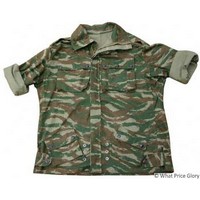
French Para TAP 47/52 Lizard Camo Uniform Set (48)

Uncover the history of the iconic French Para TAP 47/52 Lizard Camo Uniform. A deep dive for reenactors and military history buffs. Learn its story.

The Ghost of the Jungle: Unpacking the French Para TAP 47/52 Lizard Camo Uniform

There are some pieces of military kit that are more than just fabric and thread. They’re artifacts. They carry the weight of history in their very weave, smelling of damp earth, gun oil, and the ghosts of forgotten conflicts. You pick one up, and you can almost feel it. The sweat, the fear, the sheer grit. For me, few items evoke this feeling more powerfully than the French Para TAP 47/52 Lizard Camo Uniform Set (48).

French Para TAP 47/52 Lizard Camo Uniform Set (48)

I remember the first time I held an original TAP 47/52 smock. A buddy of mine, an old collector, let me handle it at a show years ago. The fabric was worn thin in places, almost like silk from countless washings and the harsh sun of North Africa, but you could still feel the ruggedness of the cotton herringbone twill. It wasn't just a jacket; it was a chronicle of a soldier's life. That piece is what got me hooked on this specific era, this specific soldier. And it's why getting a good reproduction, one that captures the spirit of the original, is so darn important for those of us who bring history to life.

More Than Just a Pattern: The Birth of "Leópard"

Let's get one thing straight: this isn't just any old camo. The French called it Tenue de Leópard, or Leopard Uniform, but the rest of the world knows it as "Lizard." And it was revolutionary. Before this, camouflage was largely a game of big, splotchy patterns meant for the fields of Europe. But the wars France found itself fighting after 1945 weren't in Europe. They were in the tangled, humid, and vertically-dominated jungles of Indochina.

From British Denison to French Innovation

The French didn't invent the paratrooper smock, of course. They were heavily inspired by the British Denison smock their Free French commandos had worn with such distinction during WWII. You can see its DNA in the long cut and the large, bellowed pockets. But the French took that concept and perfected it for their own unique brand of hell.

A Camouflage for a New Kind of War

The real genius was the pattern. Unlike the horizontal splotches of other patterns, Lizard camo featured a more brushed, vertical orientation. Think about it. In a jungle, you’re surrounded by vertical shapes—bamboo stalks, tall elephant grass, the way light filters through the canopy. This pattern was designed to break up the human silhouette in *that* specific environment. It was a pattern born of desperation and genius, a tool for a new kind of war where the enemy was everywhere and nowhere at once.

Anatomy of a Warrior's Garb: The TAP 47/52 in Detail

When you get your hands on a quality reproduction like this French Para Uniform, TAP 47/52, you start to appreciate the thought that went into it. This wasn't designed by a committee in a comfortable Paris office. This was designed with the needs of the para on the ground firmly in mind.

The Smock: Pockets, Press Studs, and Purpose

The first thing you’ll notice are the pockets. Four of them, massive and bellowed, on the front. They were meant to hold everything a man needed for a short, violent patrol: spare magazines, grenades, rations, field dressing. The metallic snap of the press studs is a sound that just feels... right. Much faster than fumbling with buttons when rounds are cracking overhead. The jacket also features a distinctive "beavertail" flap that fastens between the legs, keeping the smock from riding up during a parachute jump. A small detail, but one that mattered immensely.

The Trousers: Built for the Bush

The matching trousers are just as purposeful. Made from the same tough HBT cotton, they feature two large cargo pockets on the thighs. Again, more space for essential gear. The cut is loose, comfortable—perfect for the brutal humidity and the need for unrestricted movement when scrambling through rice paddies or climbing the rocky hills of the Aurès Mountains.

Trial by Fire: The Lizard Camo in Indochina and Algeria

This uniform wasn't for parades. It was forged in two of the most brutal post-colonial conflicts of the 20th century. To understand the French Para TAP 47/52 Lizard Camo Uniform, you have to understand where it was worn.

Rice Paddies and Elephant Grass: Indochina

Imagine being a young French paratrooper, jumping into the "piano," the drop zone outside of Dien Bien Phu. The air is thick enough to drink. The enemy, the Viet Minh, are masters of camouflage, melting into the jungle. Your Lizard camo is your first and last line of defense. It's what allows you to become a ghost in the elephant grass, to stalk and to survive. It became the signature of elite units like the 1st Foreign Parachute Regiment (1er REP) and the Bérets Rouges—a symbol of their deadly professionalism.

The Battle of Algiers: An Urban Predator

Later, in Algeria, the battlefield changed. The war moved from the countryside into the winding, claustrophobic streets of the Casbah in Algiers. The Lizard pattern proved surprisingly effective here, too, breaking up the soldier's outline against the mottled stone walls and deep shadows of the ancient city. The paras who wore it became feared symbols of French counter-insurgency, and the uniform itself became an icon of the Algerian War.

A Legacy in Hiding: The Global Influence of Lizard Camo

Here’s something a lot of folks don’t know. The influence of this pattern is immense. It is, without a doubt, the direct ancestor of the legendary U.S. Tigerstripe camo used by special forces in Vietnam. Look at them side-by-side—the DNA is undeniable. Many other countries, from Portugal to Israel to Rhodesia, adopted their own versions of Lizard camo. It was a pattern that worked, and soldiers around the world knew it.

Bringing History to Life: Reenacting the French Para

For a reenactor, portraying a French para from the Indochina or Algerian War period is a serious undertaking. These were hard men in hard places. Getting the details right on your kit isn't just about looking good; it's about paying respect. Starting with a high-quality TAP 47/52 Lizard Camo set is the cornerstone of your entire impression. From there you can add the Mle. 50 TAP webbing, the "bottes de saut" (jump boots), and the correct headgear. When you put it all on, you're not just wearing a costume. You're shouldering a piece of complex, profound history.

This uniform tells a story of innovation, adaptation, and the brutal realities of modern warfare. It’s the story of elite soldiers fighting far from home, in places that would forever be marked by their presence. More than a uniform, it was a second skin for a unique and formidable warrior.

Experience a piece of history for yourself! Check out our authentic reproduction of French Para TAP 47/52 Lizard Camo Uniform Set (48) here: Get Your French Para TAP 47/52 Lizard Camo Uniform Set (48)

Saturday, 6 September 2025

US Army Mounted Breeches in OD Wool Elastique

Explore the history of the US Army Mounted Breeches in OD Wool Elastique. A symbol of the transition from horse cavalry to mechanized warfare in WWII.

More Than Just Trousers: The Enduring Legacy of the US Army Mounted Breeches

There are certain items of military kit that do more than just serve a function. They tell a story. They carry the weight of an entire era in their seams. Close your eyes for a moment. Can you smell it? That unique combination of old leather, saddle soap, and damp wool. Can you hear the soft jingle of harness and the steady, rhythmic clopping of hooves on a parade ground? If you can, then you understand the world that gave birth to the iconic US Army Mounted Breeches in OD Wool Elastique.

US Army Mounted Breeches in OD Wool Elastique

A Glimpse into a Bygone Era: The 1937 Pattern

Introduced in 1937, these breeches represent a fascinating pivot point in military history. The world was rumbling, re-arming for a conflict that would be defined by engines and steel. Yet, the heart of the old army—the horse cavalry—still beat strong. These trousers were designed for the men who lived in the saddle. They were the last great uniform evolution for the American horse soldier, a final, perfect refinement before the role itself was rendered obsolete by the blitzkrieg.

They weren’t just for cavalrymen, of course. Motorcyclists, officers, and certain other mounted personnel were issued these distinctive garments. But their spirit? Their soul? That belongs entirely to the cavalry. They are the fabric of a changing army, caught between the bugle call and the roar of a tank engine.

The Feel of History: What is Wool Elastique?

Let's talk about the material, because it’s the heart of the matter. "Elastique" is a bit of a misnomer by today's standards; you won't find any spandex here. The term refers to a specific type of tight, worsted wool weave with a pronounced diagonal cord. This method of weaving gives the fabric a slight, almost imperceptible "give" along the bias. It’s a clever piece of old-world textile engineering.

Durability Forged in the Saddle

This wasn't just for show. That dense weave created an incredibly tough, snag-resistant material. Believe me, when you're moving with a horse through brush or spending countless hours on a leather saddle, you need a fabric that can take a beating. Standard-issue trousers would wear out in no time. But these heavy OD wool elastique breeches were built to last. You can feel the heft of them in your hands—a reassuring, rugged quality that speaks of hard use and unwavering purpose.

A Cut Above the Rest: The Distinctive Silhouette

And then there’s the cut. Ah, the cut. Flared at the thigh, reinforced on the inner leg, and tapering sharply to a laced or buttoned cuff just below the knee. Every element was pure function. The roominess in the thigh allowed for complete freedom of movement when mounting or riding. The reinforced inner leg panels protected against chafing from the saddle. The tight fit on the calf was designed to slip neatly into tall leather riding boots or leggings without bunching or wrinkling. The result was a silhouette of iron-willed tradition, sharp, practical, and instantly recognizable.

From Horseback to High Command: The Breeches in WWII

As World War II erupted, the role of the horse soldier vanished almost overnight. The 1st Cavalry Division famously traded its horses for jeeps and tanks. But the breeches didn't disappear. Far from it.

The Cavalry's Last Hurrah

In the early, desperate days of the war, particularly in the Philippines, US cavalry units did indeed fight on horseback. For these men, the M-1937 breeches were not a nostalgic uniform; they were essential combat equipment, worn in the jungle and on the battlefield in a valiant, but ultimately doomed, last stand.

A Symbol of Authority: Officers and the M-1937s

More visibly, the breeches became a hallmark of the officer corps. Many commanders, particularly those with cavalry roots like George S. Patton, clung to them. For them, the breeches were more than just trousers; they were a symbol of a disciplined, aggressive, and mobile mindset. They looked sharp. They commanded respect. I remember my own grandfather, a First Sergeant in the 2nd Armored, telling me about his CO—a man who swore by his old cavalry breeches long after they'd traded their mounts for Shermans. He said they were a reminder of where they'd come from, a whisper of the old world in the cacophony of the new.

Bringing the Past to Life: Authenticity in Reenactment

For the modern historian and reenactor, getting the details right is everything. And few details say "late 1930s-early 1940s US Army" quite like a proper pair of mounted breeches. Wearing them is a transformative experience. You stand differently. You move with a different sense of purpose. When you pull on a pair of faithfully recreated breeches, crafted from the correct heavy OD wool elastique, you're not just putting on a costume. You are connecting with the spirit of the American soldier on the cusp of the world's greatest conflict.

An Echo of Hoofbeats

The US Army Mounted Breeches are more than mere cloth and thread. They are a tangible link to a pivotal moment in history. They represent the end of one kind of warfare and the dawn of another. They carry the echo of hoofbeats on a dusty plain and the shadow of a general poring over maps in a command tent. They are a testament to the enduring legacy of the American soldier, a legacy of adaptability, tradition, and indomitable will.

Experience a piece of history for yourself! Check out our authentic reproduction of US Army Mounted Breeches in OD Wool Elastique here: Get Your US Army Mounted Breeches in OD Wool Elastique

Friday, 5 September 2025

US A-8 Flight Helmet | Authentic Military Surplus

Discover the history of the USAAF A-8 flight helmet. From the cold skies over WWII Europe to modern reenactments, learn the story behind this iconic gear.

More Than a Helmet: The Story of the USAAF A-8

I remember the first time I got my hands on a really good A-8. Not a flimsy costume piece, but one with real heft, with the proper gabardine fabric and soft chamois ear cups. The world outside just... quiets down when you put it on. For a split second, you’re not in your garage or on a reenactment field. You’re in the cramped fuselage of a B-17, the floor vibrating with the power of four Wright Cyclone engines, and the only sound is the imagined crackle of the intercom in your ears. It’s a profound feeling. That helmet isn't just a piece of kit. It’s a time machine.

US A-8 Flight Helmet | Authentic Military Surplus

The Cold, Thin Air Above Europe

To understand the US A-8 Flight Helmet, you have to transport yourself to the brutal conditions faced by the U.S. Army Air Forces in World War II. Imagine climbing to 25,000 feet in an unpressurized aluminum tube. The temperature outside plunges to -50 degrees Fahrenheit. The air is too thin to breathe. Your life depends entirely on your equipment. This wasn't just a hat; it was an airman's office, a fragile bastion of cloth and rubber against the screaming void.

Born from Necessity: The A-8's Design

The A-8 flight helmet wasn’t designed for looks. It was a purely functional piece of engineering, born out of the deadly calculus of high-altitude bombing raids. Made from olive drab gabardine cloth, it was lightweight and relatively comfortable for missions that could last eight, ten, even twelve agonizing hours. Its most critical features were the soft, chamois-lined earcups. These weren't just for warmth. They were specifically designed to house the ANB-H-1 communication receivers, the vital link connecting a ten-man crew scattered throughout a roaring, rattling bomber.

Every stitch, every strap had a purpose. The goggle straps on the back held B-8 goggles firmly in place against the slipstream. The chin strap ensured it stayed put during violent evasive maneuvers. It was the simple, reliable heart of a pilot or gunner's headgear.

A Symphony of Gear

The A-8 rarely worked alone. It was the foundation of a complex system. An airman would don his A-8, then clip on his A-10 or A-14 oxygen mask to feed him life-giving air. The B-8 goggles went over the top, protecting his eyes from the blinding glare above the clouds and the freezing wind. Sometimes, for extra protection from flak, a bulky M-3 or M-4 flak helmet would be worn over the entire assembly. The A-8 was the silent partner in this deadly aerial ballet—the anchor point for a man's senses in an environment that was trying its best to kill him.

Holding History in Your Hands

When you get a chance to examine a quality reproduction of a WWII USAAF flight helmet, you’re not just looking at cloth and leather. You’re connecting with the thousands of young men who wore them. You’re touching a piece of their reality.

The Feel of the Fleece, the Scent of the Leather

It’s the details that get you. The slightly rough texture of the O.D. gabardine. The surprising softness of the fleece or chamois lining on the earcups. It was the last thing a crewman felt before the roar of the engines took over everything. You can almost feel the phantom weight of the headset receivers that once sat inside. This piece of American flight helmet WWII history is more than an artifact; it’s a sensory experience that closes the gap between then and now.

Beyond the Cockpit: The Bomber Crews

While we often picture fighter aces in their P-51s, the A-8 was the ubiquitous headgear of the bomber crews who bore the brunt of the air war over Europe. Ball turret gunners, waist gunners, navigators, bombardiers—they all relied on this humble cloth helmet. It was a symbol of their shared experience, a piece of uniformity in the chaotic, terrifying world of a strategic bombing mission. It heard their jokes over the intercom, their shouts of enemy fighters at 3 o'clock high, and sometimes, their final, prayerful silence.

The A-8 in Modern Reenactment

For those of us dedicated to keeping this history alive, authenticity is everything. And let me tell you, getting the headgear right is half the battle. Your impression of a USAAF airman is simply incomplete without a proper helmet setup.

Getting the Details Right

A good A-8 reproduction, like the one we carry, isn't just about looking the part from a distance. It's about the correct material, the right shade of olive drab, the accurate placement of straps and buckles. When you're building out your B-17 bomber crew gear, starting with a solid A-8 flight helmet is non-negotiable. It’s the canvas upon which you add the goggles, the oxygen mask, the throat mic. It's the difference between a costume and a genuine impression.

A Legacy That Endures

Why do we do it? Why spend the time and money to recreate the gear of a bygone era? Because every time we buckle that chin strap, we honor the memory of the men who wore the originals. The A-8 flight helmet is more than military surplus or a collector’s item. It's a tangible link to the courage, the fear, and the ultimate sacrifice of the Greatest Generation. It’s a reminder that history isn’t just in books—it’s in the things they left behind, waiting for us to pick them up and tell their stories once more.

Experience a piece of history for yourself! Check out our authentic reproduction of US A-8 Flight Helmet | Authentic Military Surplus here: Get Your US A-8 Flight Helmet | Authentic Military Surplus

Thursday, 4 September 2025

US Army Officer Khaki "Chino" Trousers

1. Analyze the product: - Key features: Reproduction, US Army Officer, Khaki "chino" trousers, Private purchase. - Historical details: Zipper fly, two flapped rear pockets. - Unique selling points: The "private purchase" aspect implies higher quality and a more tailored, "sharper" look than standard-issue trousers. The zipper fly and flapped pockets are specific, authentic details that appeal to serious reenactors. 2. Keyword research: - Primary Keywords: - US Army Officer Khaki Trousers - WWII Chino Trousers - WW2 Officer Uniform - Secondary Keywords: - Historical Reenactment Trousers - Private Purchase Army Uniform - 1940s Military Chinos - Pacific Theater Uniform 3. Persona development: - Persona 1 (The Academic): Dr. Alistair Finch, a university professor. His writing would be precise, heavily sourced, and focused on regulations like AR 600-40. Potentially too dry for a product blog. - Persona 2 (The Enthusiast Newbie): "Browning_1919" on a forum. Passionate and full of questions, but might lack the deep historical context and authority. - Persona 3 (The Seasoned Reenactor/Historian): "Sarge" or an old hand who has spent decades in the hobby. He knows the regulations but also the "lived experience" of the gear. He can tell a story, connect with the reader on a practical level, and speak with gruff authority and a touch of nostalgia. - Chosen Persona: The Seasoned Reenactor/Historian. This persona allows for a blend of historical fact, personal anecdote, and practical advice that is perfect for the target audience. 4. Blog structure: - H1: More Than Just Khakis: The Unsung Story of the US Army Officer's "Chino" Trousers - H2: The Uniform Within the Uniform: A Mark of Distinction - H3: The Allure of Private Purchase - H2: From Manila to Normandy: The Journey of a Wartime Workhorse - H3: Where Did the "Chino" Get Its Name? - H3: Built for the Demands of a Global Conflict - H2: Getting the Details Right: A Closer Look at an Authentic Reproduction - H3: The Cut, The Cloth, and The Character - H3: Why the Zipper and Flapped Pockets Matter - H2: Bringing History to Life: The Chino in Your Impression - H3: Beyond the Garrison: Crafting the Perfect Officer Look - H2: A Legacy Woven in Twill 5. Content ideas: - Angles: 1. The status symbol of the "private purchase" item. 2. The practical history of chinos in the hot climates of the Pacific. 3. Connecting the WWII officer's look to the post-war rise of chinos in civilian fashion. - Facts/Anecdotes: 1. The name "chino" derives from the Spanish term for "Chinese," as the original twill fabric was sourced from China for US uniforms in the Philippines. 2. Unlike the enlisted man's standard-issue trousers, officers had a clothing allowance and were expected to purchase their own uniforms, leading to variations in quality and style. 3. General Douglas MacArthur famously wore a custom, non-regulation cap, but his crisply pressed chinos were a quintessential part of his iconic image. 4. The transition of these trousers from military uniform to a staple of Ivy League and casual American style in the 1950s. - Introduction/Conclusion: Start with a personal, sensory memory of handling a real pair. Conclude by reflecting on the trousers' enduring legacy both in history and in modern culture. 6. Human-like writing elements: - Sensory details: The stiff, smooth feel of new cotton twill; the sharp, metallic sound of the zipper; the smell of canvas and old leather in a footlocker. - Fabricated memory: A story about a veteran showing me his old uniform and pointing out the finer stitching on his private purchase trousers compared to his standard-issue gear. "This," he'd say, tapping the fabric, "was mine. The rest belonged to Uncle Sam." - Creative phrases: "the unsung workhorse of the officer's wardrobe," "a silent broadcast of rank and professionalism," "escaped the confines of the military and conquered the civilian closet," "more than just cloth and thread—it's a wearable piece of narrative." Discover the history of the US Army Officer Khaki Chino Trousers. Learn why these private purchase WWII chinos were a mark of distinction in any uniform.

More Than Just Khakis: The Unsung Story of the US Army Officer's "Chino" Trousers

I still remember the first time I held a genuine, wartime pair. It was years ago, at a dusty surplus store run by a crusty old vet. He pulled them from a pile of olive drab wool and handed them to me. They weren't heavy like the wool service trousers. They were light, but the cotton twill was dense, sturdy. You could just feel the history in the fabric—the faint scent of old canvas, a ghost of the Pacific sun baked into every fiber. They were more than just a pair of pants; they were a statement.

US Army Officer Khaki Chino Trousers

The Uniform Within the Uniform: A Mark of Distinction

In the vast, uniformed machine of the US Army during World War II, individuality was a rare commodity. Yet, for the commissioned officer, there were subtle ways to stand apart. While the enlisted man wore what he was issued, an officer received a clothing allowance. He was expected to procure his own uniforms, leading to the world of "private purchase" items. And nothing quite defined the officer's off-duty or warm-weather look like a sharp pair of khaki "chino" trousers.

The Allure of Private Purchase

Think about it. Standard-issue gear is made for durability and mass production. It’s functional, yes, but rarely elegant. Private purchase items, however, were a different breed. Tailors and manufacturers catered to the officer corps, offering better fabrics, superior stitching, and a more flattering cut. Choosing a pair of khaki officer's trousers with a modern zipper fly or flapped rear pockets wasn't just about comfort; it was a silent broadcast of rank and professionalism. It said you took pride in your appearance, a crucial aspect of leadership and morale. These weren’t just government property; they were *yours*.

From Manila to Normandy: The Journey of a Wartime Workhorse

While we often associate WWII with the olive drab woolens of the European Theater, the humble chino was arguably the more globally significant garment. Its story begins long before the shores of Normandy were ever breached.

Where Did the "Chino" Get Its Name?

The tale starts in the early 20th century, with the US Army stationed in the Philippines. Needing a lightweight, durable, and cool uniform for the tropical climate, the military sourced cotton twill fabric from China. The local Spanish-speaking population began referring to the trousers as "pantalones chinos," or "Chinese pants." The name stuck. What began as a practical solution for a colonial garrison would soon become the iconic legwear for a generation of American fighting men.

Built for the Demands of a Global Conflict

When war exploded across the Pacific, the chino truly came into its own. Imagine slogging through the humid jungles of Guadalcanal or building an airstrip on a sweltering Pacific atoll in heavy wool. Impossible. The lightweight, breathable cotton of the chino was essential. It dried relatively quickly, resisted tearing, and offered a degree of comfort in the most uncomfortable places on Earth. From island-hopping Marines to Army officers directing operations in the China-Burma-India Theater, the chino was the unsung workhorse of the Allied effort in the East.

Getting the Details Right: A Closer Look at an Authentic Reproduction

For a reenactor or a serious collector, authenticity is everything. The devil, as they say, is in the details. A good reproduction isn’t just about getting the color right; it's about capturing the spirit and specific features of the original.

The Cut, The Cloth, and The Character

These US Army Officer Khaki "Chino" Trousers are a fantastic example of getting it right. The cut is sharper, more tailored than the looser-fitting enlisted man's version. This isn't just a stylistic choice; it's a historical one. It reflects the "private purchase" ethos, where an officer would want a pair of trousers that offered a more defined silhouette, whether in the officer's club or a forward command post.

Why the Zipper and Flapped Pockets Matter

Now, let's talk specifics. Many early and standard-issue trousers used a button fly. The inclusion of a zipper fly on a private purchase pair was a sign of a more modern, premium garment. It was faster, cleaner, and—let's be honest—more convenient. It's a small detail that speaks volumes about the original's quality.

Similarly, the two flapped rear pockets are a key officer distinction. This feature not only provided a more secure way to carry a wallet or papers but also contributed to that "sharper look" mentioned in the regulations. It’s a subtle touch, but when you’re building an authentic impression, these are the details that separate the good from the great.

Bringing History to Life: The Chino in Your Impression

So, how do these trousers fit into your historical reenactment? Perfectly. They are the cornerstone of a credible US Army officer's impression, particularly for the Pacific Theater, stateside garrison, or even as a warm-weather alternative for an officer in the ETO during the summer months of 1944.

Beyond the Garrison: Crafting the Perfect Officer Look

Pair these trousers with a khaki officer's shirt, an officer's belt, and a pair of service shoes, and you have the quintessential Class "C" uniform. Whether you're portraying a newly commissioned second lieutenant fresh out of OCS or a seasoned captain planning the next move, these trousers provide the correct foundation. They work for a barracks impression, a "walking out" dress look, or even a field-worn officer's kit. They are, without a doubt, one of the most versatile pieces of the WWII uniform.

A Legacy Woven in Twill

After the war, the chino didn't just fade into history. The millions of returning GIs brought the trousers home with them. They escaped the confines of the footlocker and conquered the civilian closet, becoming a symbol of a casual, confident, post-war America. From college campuses to suburban backyards, the chino became a staple of menswear that endures to this day.

But for us, for the historian and the reenactor, they remain something more. They are a tangible link to the past. When you pull on a pair of well-made reproduction officer's chinos, you're not just wearing pants. You're wearing the legacy of leadership, the practicality born of necessity, and the quiet pride of the men who led the Greatest Generation. You're wearing a piece of the story.

Experience a piece of history for yourself! Check out our authentic reproduction of US Army Officer Khaki "Chino" Trousers here: Get Your US Army Officer Khaki "Chino" Trousers

Wednesday, 3 September 2025

Officer Epaulets for US GI Wool Shirt | Conversion Kit

Unlock historical accuracy for your WWII US officer impression. Learn the history and importance of converting a GI wool shirt with our officer epaulets kit.

The air bites. It’s that sharp, damp chill of a pre-dawn October morning, the kind that seeps right through canvas and settles in your bones. I pull the familiar, scratchy comfort of the M1937 wool shirt over my head, the quintessential “mustard and wool” aroma a form of time travel in itself. But as the fabric settles, my hands go to my shoulders. They don't find the simple, smooth slope of a standard GI shirt. Instead, my fingers trace the raised, stitched-on fabric of an epaulet. A small detail. A simple strip of wool. But in that moment, in the half-light of the reenactment camp, it’s everything. It's the small stitch that bridged the gap between the enlisted barracks and the command tent.

From Enlisted to Officer: The Subtle Detail That Made All the Difference

For those of us dedicated to recreating the US Army GI of World War II, authenticity is a relentless pursuit. We obsess over the correct shade of OD green, the specific weave of HBT fabric, the right maker’s mark on a canteen. And when portraying an officer, the details become even more critical. One of the most overlooked yet essential elements is the humble epaulet on the standard-issue wool shirt.

More Than Just Fabric: The Symbolism of the Officer's Epaulet

You see, the difference between an enlisted man and a lieutenant wasn't always a completely different uniform, especially not in the muck and mire of the European Theater. While officers had access to privately tailored, higher-quality "pinks and greens" for dress occasions, in the field, practicality reigned supreme. The war machine was churning out millions of standard-issue items, and the most common uniform piece was the M1937 wool shirt. So, what was a newly commissioned Second Lieutenant to do?

He adapted. The solution was simple, elegant, and born of necessity: modify the standard shirt. This is where the Officer Epaulets for US GI Wool Shirt | Conversion Kit comes in, representing a piece of genuine, lived history.

Officer Epaulets for US GI Wool Shirt | Conversion Kit

The GI Wool Shirt: A Uniform for Everyman... and Every Officer

To appreciate the conversion, you have to first appreciate the canvas it’s built upon. The standard GI wool shirt was a masterpiece of utility. It was warm, it was durable, and it was ubiquitous. Millions were made. It was the uniform of the farm boy from Iowa, the factory worker from Detroit, and—with one key modification—the platoon leader from West Point.

A Field Expedient Promotion

The practice of adding epaulets to an enlisted shirt was common. It allowed an officer to maintain a uniform appearance in the field while using readily available clothing. These shoulder straps weren't just for show, mind you. They were a functional platform. They provided a secure place to pin rank insignia—those tell-tale bars and leaves—and could help secure straps from field gear. It was a subtle grammar of the battlefield, a visual cue of command recognized at a glance in the chaos of combat.

This conversion was a soldier's solution, a pragmatic answer to a logistical problem. And for a reenactor, it tells a far more interesting story than a pristine, tailor-made garment ever could. It speaks of the realities of life in the ETO, where mud, improvisation, and the mission were more important than parade-ground perfection.

Getting the Details Right: A Reenactor's Guide to the Officer Epaulets Conversion Kit

I remember the first time I decided to build a First Lieutenant impression. I had the M1 helmet with the vertical stripe, the .45 on my hip, the map case. But something was missing. My standard wool shirt felt… incomplete. That’s when I discovered the profound impact of this simple conversion.

This officer epaulets kit is more than a product; it’s your ticket to that next level of authenticity. It’s a meticulously reproduced set of wool epaulets, ready to transform the workhorse of the enlisted man into the field uniform of a leader.

The Tailor's Touch: Why Professional Attachment Matters

Now, the product description wisely notes that this requires a tailor. Don't gloss over that. I’ve seen some shoddy, hand-sewn attempts that look more like a battlefield repair than a proper conversion. Taking your shirt and this kit to a professional tailor is crucial. They'll have the heavy-duty machines to stitch through the dense wool cleanly, ensuring the epaulets lay flat and straight, exactly as they should. It's that final 10% of effort that makes 100% of the difference. A crisp, properly attached epaulet just looks right. It has the correct structure and presence.

Bringing History to Life: The Epaulet in Action

I’ll never forget one particular event. It was a tactical battle in the woods of Pennsylvania, the air thick with the smell of blank-fire cordite and damp earth. I was crouched behind a fallen log, my borrowed Thompson in hand, shouting orders to my squad. In a lull, a new guy—his first event—crawled over. He pointed to my shoulder. "Lieutenant," he said, "how'd you get the officer's shirt? I can't find one anywhere."

I just smiled and tapped the epaulet. "It's not an officer's shirt," I told him. "It's a GI's shirt with an officer's job to do."

That's the story this simple kit allows you to tell. It’s a story of adaptation, of function over form, and of the shared material culture between the men who led and the men who followed. It's a tangible connection to the past, a detail that makes the entire impression click into place. When you pull that shirt on, feeling the slight, reassuring weight on your shoulders, you're not just wearing a costume. You're carrying a small piece of a leader's identity.

The Final Stitch: Why This Small Detail Completes Your Impression

In the world of historical reenactment, we are curators of memory. We do this not through dusty books, but through felt experience. The itch of the wool, the weight of the rifle, the camaraderie of the unit—it all matters. The Officer Epaulets Conversion Kit is a key piece of that puzzle. It represents one of the most common and authentic ways US Army officers appeared in the field during WWII.

It’s the final stitch that turns a good impression into a great one. It’s the detail that makes you stop and think about the man who originally wore it—a man promoted in the field, handed a new rank and a mountain of responsibility, but still wearing the same shirt as the men he was now tasked to lead. And that, my friends, is a story worth telling.

Experience a piece of history for yourself! Check out our authentic reproduction of Officer Epaulets for US GI Wool Shirt | Conversion Kit here: Get Your Officer Epaulets for US GI Wool Shirt | Conversion Kit

Tuesday, 2 September 2025

US Officer's M37 Mustard Wool Field Shirt with Epaulets

Uncover the story behind the iconic US Officer's M37 Mustard Wool Field Shirt. A deep dive into its WWII history, significance, and use in modern reenactment.

More Than a Shirt: The Story of the US Officer's M37 Mustard Wool Field Shirt

There are some objects that just hum with history. You can feel it when you pick them up. It's a weight, a texture, a story that seeps from the very fibers. For me, few items from the Second World War resonate quite like the US Officer's M37 Mustard Wool Field Shirt. It’s more than a piece of a uniform; it was a second skin for a generation of leaders who guided the US Army from the quiet uncertainty of the interwar years into the crucible of global conflict.

I remember the first time I buttoned up a quality M37 reproduction. I was at a living history event in a stand-in for the Ardennes in rural Pennsylvania. The air had that sharp, winter bite, and as I settled the wool over my shoulders, something shifted. The slight, familiar scratch of the fabric wasn't an annoyance; it was an anchor. It wasn't a costume anymore. In that moment, I felt a flicker of connection to the thousands of young lieutenants and captains who wore this very garment, their minds racing with maps, orders, and the well-being of their men. It’s a sartorial ghost from the eve of the storm.

US Officer's M37 Mustard Wool Field Shirt with Epaulets

A Stitch in Time: What is the M37 Wool Shirt?

Adopted in 1937, this shirt was a key component of the US Army officer’s service and field uniform in the lead-up to and early years of World War II. It was designed to be functional, durable, and, importantly, to look sharp. It projected an image of professionalism that was central to the spit-and-polish army of the era.

The "Mustard" Myth and Material Reality

Let's talk about that color. Officially designated as "Olive Drab Shade No. 33," soldiers almost universally gave it the more descriptive—and accurate—nickname: "mustard." But don't picture the bright yellow of French's. This was a complex, earthy, brownish-yellow that could look wildly different depending on the lighting, the dye lot, and how much time it had spent under the sun. This variation is actually a hallmark of authenticity.

And the material? Wool. Good, honest, 100% wool. This wasn't just for looks. Wool is a miracle fabric. It insulates even when damp, it's remarkably durable, and it wicks moisture away from the skin. For a soldier in the field, from the damp chill of a European morning to the cold nights of the North African desert, this shirt was a critical piece of gear. It was their primary torso layer, worn under the M1941 field jacket or the heavier mackinaw coat. You can almost smell that earthy, lanolin scent that authentic wool carries.

The Officer's Edge: Why Epaulets Mattered

What truly sets this shirt apart from its enlisted counterpart are the epaulets. These buttoned shoulder straps were more than just decoration. They were functional platforms for displaying an officer’s rank insignia. A quick glance at a man’s shoulders could tell you if he was a Lieutenant, a Captain, or higher. In the chaos of the battlefield, this silent language of command was vital. The epaulets on the M37 Officer's Shirt sit squarely on the shoulders, subtly changing your posture, making you stand a little taller. This wasn't just clothing; it was armor of a different sort—armor of identity and responsibility.

From Barracks to Battlefield: The M37 in Action

When you look at photos from the Louisiana Maneuvers or the early days after Pearl Harbor, you see the M37 shirt everywhere. It's on the backs of officers pouring over maps in North Africa, directing traffic on the beaches of Sicily, and briefing their men before the jump into Normandy.

A Pre-War Staple, A Wartime Workhorse

The M37 shirt represents a fascinating transitional period for the US Army. It has one foot in the traditional, almost constabulary, army of the 1930s and the other stepping into the massive, mechanized force that would win the war. It was worn with a tie in garrison for a formal appearance but could be opened at the collar in the field. This versatility made it an indispensable workhorse during the first half of the war.

The Evolution of an Icon

Of course, war drives innovation. As WWII progressed, the army recognized the need for a more practical, layered uniform system. The iconic M37 was gradually phased out in combat zones in favor of the more utilitarian Herringbone Twill (HBT) utility shirts and, eventually, the standardized M1943 Field Uniform. However, the mustard wool shirt never truly disappeared. It remained a staple for service and dress wear right up to the war's end, a lingering symbol of the "Old Army" that had risen to the world's greatest challenge.

Feeling History: The Reenactor's Perspective

For a living historian portraying an early-war US Army officer, getting the shirt right is non-negotiable. It’s the foundation of your entire impression. An enlisted shirt won't do. A post-war shirt is anachronistic. The specific cut, the mustard color, and, most importantly, the epaulets of the US Officer's M37 Mustard Wool Field Shirt with Epaulets are what sell the image.

Getting the Details Right

A quality reproduction captures these nuances. The weight of the wool, the placement of the two breast pockets, the gas flap behind the button placket—these details matter. They are the difference between a costume and a uniform. When you pin your rank insignia—those dull glints of brass—onto the epaulets of an accurate M37, you are completing a circuit that connects you directly to the past.

It's a garment steeped in history, woven with the threads of duty and determination. It saw the last days of peace and the first brutal days of war. It represents a generation of American leadership that learned on the job, under fire, and ultimately led the Allies to victory. Owning and wearing one isn't about playing soldier; it's about honoring that memory in the most tangible way possible.

Experience a piece of history for yourself! Check out our authentic reproduction of US Officer's M37 Mustard Wool Field Shirt with Epaulets here: Get Your US Officer's M37 Mustard Wool Field Shirt with Epaulets

Monday, 1 September 2025

US Army Officer "Chocolate" Shirt

Discover the history of the iconic US Army Officer "Chocolate" Shirt from WWII. Learn why this wool gaberdine shirt is a must-have for historical reenactors.

More Than a Shirt: The Story of the Iconic WWII "Chocolate" Officer's Uniform

I remember the first time I saw one up close. It wasn't in a museum, sealed behind glass. It was at a reenactment event in Pennsylvania, draped over a field chair as the morning sun steamed the dew off the grass. The color was what struck me—a deep, rich olive drab that the old-timers had nicknamed "chocolate." It looked solid. Dependable. It looked like history you could actually touch.

This wasn't just any old piece of surplus. This was the US Army Officer "Chocolate" Shirt, the sartorial signature of the Greatest Generation's leadership. And let me tell you, getting the details right on a piece like this... well, it’s everything.

US Army Officer 'Chocolate' Shirt

The Birth of a Legend: Why "Pinks and Greens"?

You can't talk about the "Chocolate" shirt without talking about the full ensemble it belonged to: the Class A Officer's Service Uniform, more famously known as "Pinks and Greens." It’s a name that sounds a little odd today, doesn’t it? But it made perfect sense. The "Greens" referred to the olive drab service coat, while the "Pinks" were the light-taupe, almost pinkish-tan trousers. Smack in the middle of this iconic pairing was the dark olive drab wool shirt—our "Chocolate."

A Uniform for a New Kind of Officer

This wasn't your standard-issue grunt's uniform. The Pinks and Greens uniform was a private-purchase item, meaning officers bought it with their own money. This little fact had a huge impact. It allowed for higher quality materials and a much sharper, tailored fit than the standard-issue service dress. It was a status symbol, an immediate visual cue that you were looking at a career man, a leader.

Think about the psychology of that. In a world at war, this uniform projected an image of quiet confidence and professionalism. It was less about battlefield utility and more about garrison smartness. It was the uniform worn by men like Eisenhower, Bradley, and Patton as they planned the liberation of a continent. It whispers tales of drafty command tents and late-night strategy sessions over maps lit by a single bulb.

From the Garrison to the Silver Screen

After the war, Hollywood immortalized the look. Gregory Peck, William Holden, Burt Lancaster—any actor playing a sharp, thoughtful officer in a post-war film was inevitably clad in Pinks and Greens. The uniform became shorthand for American victory and competence. It was, and remains, one of the most handsome military uniforms ever designed.

Getting the Details Right: What Makes an Authentic "Chocolate" Shirt?

For us in the reenactment community, authenticity is the whole game. You can spot a cheap knock-off from fifty yards away. It’s in the color, the cut, and most importantly, the material. That’s why a proper reproduction, like this US Army Officer "Chocolate" Shirt, is so critical.

The Feel of Wool Gaberdine

The original shirts were made from wool gaberdine, and there’s simply no substitute. The moment you touch it, you know. It has a smooth, tight weave that drapes beautifully, resisting wrinkles far better than simple wool flannel. It’s got a bit of heft to it. When you pull it on, you feel the quality. It’s that slight, reassuring scratchiness of real wool that tells you you’re wearing something substantial. This isn't a costume; it's a piece of clothing built to last.

The Perfect Shade of Olive Drab

And the color! Oh, the color. Getting that "chocolate" brown, or more accurately, Olive Drab Shade No. 54, is paramount. It’s a dark, earthy tone that can look different depending on the light. Too brown and it looks like a modern hunting shirt. Too green and it misses the mark entirely. A quality reproduction nails this specific, historic shade, ensuring your impression is spot-on from top to bottom.

Living History: The "Chocolate" Shirt in Reenactment

I remember one of my first events as a freshly-minted "Second Lieutenant." I had spent weeks getting my kit together, but the piece I was proudest of was my officer’s uniform. Buttoning up that wool gaberdine shirt, I felt… different. My posture straightened. The way I walked changed. It’s hard to explain, but when you wear a uniform this historically significant, you’re not just playing a part. You’re shouldering a small piece of its legacy.

More Than a Costume, It's a Connection

That's what this is all about. It’s about connecting with the past in a tangible way. When you're out in the field, smelling the woodsmoke and cleaning your M1 Garand, the authenticity of your gear makes the experience real. This shirt isn’t just an article of clothing; it's a time machine made of wool. It connects you to the men who wore it for real, making decisions that shaped the world we live in today.

A Word on Care and Keeping

A quick, practical note. A shirt made of 100% wool gaberdine is an investment. You don’t just toss this in the washing machine. It’s dry clean only, and for good reason. You want to preserve the fabric's integrity, color, and shape for years of events. Treat it with the respect it deserves, and it will serve you well, just as it served the officers of the US Army.

The Enduring Legacy of the "Chocolate" and "Pinks"

The "Chocolate" shirt and the Pinks and Greens uniform were officially replaced in the 1950s, but they never truly disappeared. They live on in photographs, in films, and in the dedicated work of historians and reenactors. They represent a unique moment in time when style and serviceability met, creating an unforgettable symbol of the American officer.

Owning a well-made reproduction is about more than just looking the part. It's about honoring that legacy. It's about feeling the weight of the wool and, for a brief moment, connecting with the spirit of the generation that wore it first.

Experience a piece of history for yourself! Check out our authentic reproduction of US Army Officer "Chocolate" Shirt here: Get Your US Army Officer "Chocolate" Shirt

Sunday, 31 August 2025

US Officer "Pink" Wool Elastique Breeches

Uncover the history of the iconic US Officer "Pink" Wool Elastique Breeches, a symbol of the interwar army and a favorite of legends like Patton.

More Than Just "Pinks": The Enduring Legacy of the US Officer's Wool Elastique Breeches

I remember the first time I pulled on a proper pair. It wasn't just putting on pants; it was like stepping back eighty years. The substantial weight of the wool, the smooth, tough feel of the leather patches against my knees as I knelt to check my gear… suddenly, I wasn't just a guy in a field. The crisp morning air seemed to carry a different scent. In that moment, I felt a faint, almost imperceptible connection to the officers of the 1930s, standing on a parade ground as the world teetered on the brink of war. That's the power of getting the details right. And few details are more iconic than the US Officer "Pink" Wool Elastique Breeches.

US Officer "Pink" Wool Elastique Breeches

A First Glance: The Look and Feel of History

Let's get one thing straight. When you hold these breeches, you understand they were built for a purpose. This isn't some flimsy costume piece. This is a garment with the DNA of the interwar army woven right into its fibers. You’re looking at an item that bridges the gap between the horse-mounted cavalry of World War I and the mechanized legions of World War II. It’s a sartorial echo of a bygone era, and every stitch tells a story.

Not Actually Pink: The Story Behind the Famous Hue

First, the name. "Pinks." It's a bit of a misnomer, isn't it? The fabric is actually a shade of light drab, but it possessed a distinctly pinkish or beige cast, especially when contrasted with the darker olive drab of the officer's service coat. This combination became famously known as "Pinks and Greens," the quintessential service uniform for officers from the 1920s right through the end of World War II. The color wasn't a fashion choice; it was a specific dye lot that became the standard for privately purchased officer's trousers. It projected an image of smart professionalism, a cut above the standard issue enlisted man's uniform.

Built for the Saddle: Wool Elastique and Leather

Now, let's talk about the material. Wool elastique. Just say it aloud. It sounds tough, and it is. This high-quality worsted wool has a distinctive whipcord or cavalry twill weave, giving it both incredible durability and a surprising degree of stretch. This was crucial. An officer in the 1930s was just as likely to be mounting a horse as he was to be climbing into a command car. His uniform had to move with him. These breeches weren't just for show; they were a practical solution for a military in transition.

And then there are those leather knee patches. You can almost smell the oiled leather just looking at them. They aren't just a visual flourish. They're a ghost of the cavalry, a functional reinforcement for men who spent long hours in the saddle. The tight, button-and-lace cuffs were designed to fit snugly inside tall riding boots, preventing the fabric from bunching up. Every element had a reason.

From the Interwar Years to the Battlefields of WWII

While their design screams "1930s parade ground," the US Officer "Pink" Breeches saw their share of conflict. As the US Army mobilized for World War II, many senior officers, and even some junior ones who had purchased them pre-war, continued to wear their trusted breeches. They became a visual marker of the "Old Army" guard leading the new generation of draftees into battle.

The Patton Mystique

You can't talk about these breeches without talking about General George S. Patton. He, more than anyone, immortalized the look. Patton was a cavalryman to his core, and he clung to the symbols of that tradition. His immaculately tailored breeches and polished riding boots were a core part of his public image—an image of an aggressive, old-school warrior. When you picture Patton addressing the Third Army, you're picturing him in these breeches. He made them legendary.

A Symbol of a Vanishing Era

Ultimately, the mechanization of the army spelled the end for breeches as standard wear. The M1937 service trousers, with their straight-leg design, were far more practical for the mechanized infantry and armored crews that came to dominate the battlefield. But for a time, the "Pinks" represented the absolute peak of US Army officer's dress, a symbol of authority and tradition.

Getting it Right: The Reenactor's Perspective

For those of us in the historical reenactment community, pieces like the US Officer "Pink" Wool Elastique Breeches are more than just clothing. They are our connection to the past. It’s one thing to read about an officer from the 4th Armored Division; it’s another to wear a faithful reproduction of his uniform, to feel the weight of the fabric and understand how it was designed to function.

Why Details Matter

Getting the color right, the specific weave of the wool elastique, the placement of the leather patches, the style of the cuffs—it all matters. It's a small detail, sure, but in our world, the small details are *everything*. They are the difference between a costume and a convincing historical impression. A quality reproduction like this one isn't just a purchase; it's an investment in authenticity. It’s a tool that helps us tell the story of these soldiers more accurately and respectfully.

The Lasting Echo of the Cavalry Charge

The US Officer "Pink" Breeches are more than just threads and dye. They are a tangible link to a pivotal moment in military history. They represent the pride of the officer corps, the final days of the horse soldier, and the dawn of modern mechanized warfare. To wear them is to carry a piece of that legacy. And let's be honest, they just look sharp. It's a timeless piece of military elegance, born from the practical needs of the field and the high standards of the United States Army officer.

Experience a piece of history for yourself! Check out our authentic reproduction of US Officer "Pink" Wool Elastique Breeches here: Get Your US Officer "Pink" Wool Elastique Breeches

UK Windproof Camouflage Smock

Uncover the history of the iconic WWII UK Windproof Camouflage Smock. Learn why this SAS favorite is a legend among military reenactors and...